
A biographical history of lives in Bomber Command and 10 Pound Poms
Synopsis
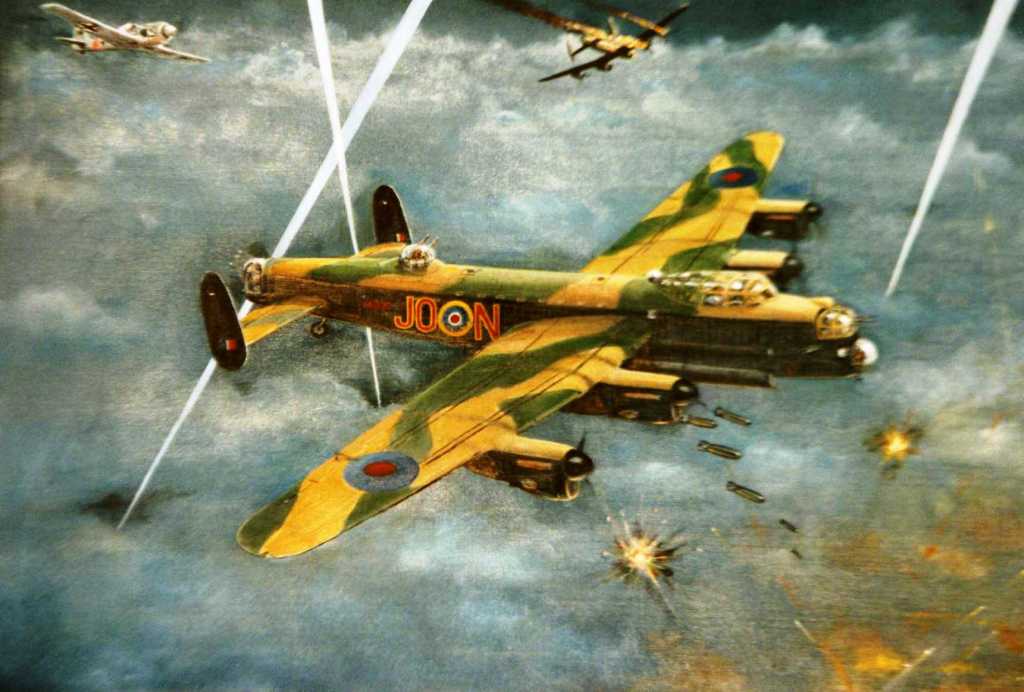
Roy, the Lucky Pommie Bastard, joins the RAF as an 18 year old in 1942 and becomes an air gunner in Bomber Command. Together with two Aussies and four other Englishmen who make up the “Trimble” crew of a Lancaster bomber, he survives a tour of bombing operations over Nazi occupied Germany. Half way through their tour of operations, their Aussie pilot, Vic Trimble, takes them from an English to an Australian squadron. The crew survive but along the journey, many friends and colleagues are not as lucky and are killed or become prisoners of war. Roy meets and marries Nancy, a girl who experiences her own wartime adventures and they start a family. Through his wartime experiences Roy is infected with a desire to emigrate to Australia and enjoy the Australian way of life. Some 15 years after the war the family become 10 pound Poms and start a new life in Brisbane. After some teething problems the Lucky Pommie Bastard and his family settle into Australia.
Reviews
” A thoroughly researched book with the best description of a bomber command operation that I have read”
Doug Parry, RAAF WW2 air gunner, Melbourne
“I found this book fascinating. The “lucky pommie bastard” is the author’s father, Roy, and the book tells the story of his life. Most of the drama occurs in the first half of the book which describes Roy’s experiences as a gunner, flying ‘ops’ over Germany in Lancaster bombers in 1943/4. The author uses three different techniques: matter-of-fact official accounts of each raid; factual descriptions of what life was like for his parents; and, most tellingly, a dramatic recreation of events as though the author was there at the time. This way we learn details glossed over by most earlier books: how many bombing raids were failures, how many died on each raid, how the aim of many raids was the destruction of the old centres of some of Germany’s medieval cities. Above all we learn how the “ordinary” men of Roy’s crew showed extraordinary courage, skill and luck. We get a feel for their experience that no conventional history of Bomber Command can give.
The second part of the book, in which the family relocates to Australia, is inevitably less dramatic but still full of interest. It’s a personal account and so has a vividness of description which formal histories could not match.”
Andrew Polmear, Brighton, Sussex
 Donald McNaughton